Love Transforms
Notions & Notes

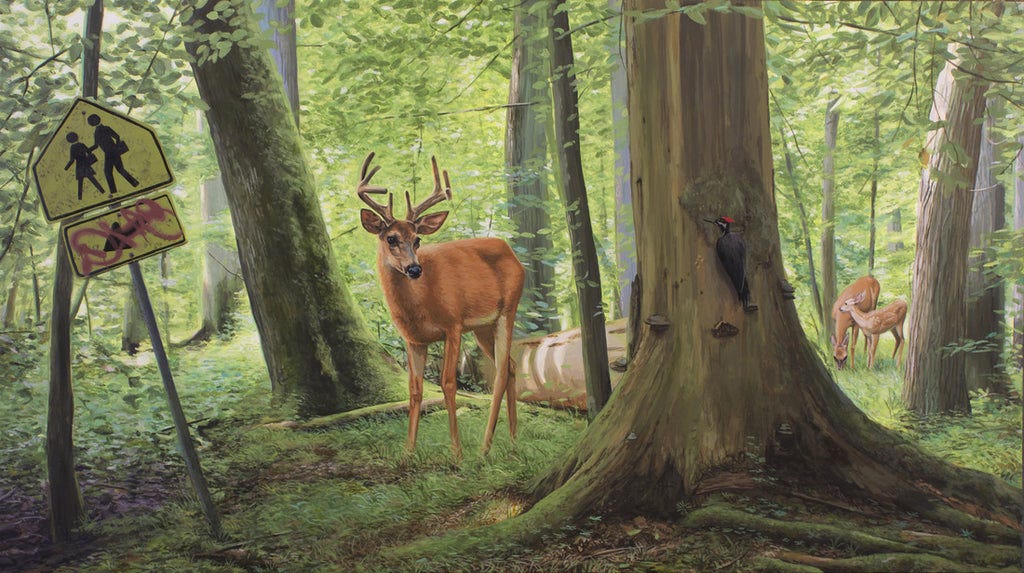
Epithalamium That Refuses to Ignore the Possibility of A Zombie Apocalypse
Let’s be honest: what each of us wants
is to never get eaten by zombies,
and the shotgun-shaped truth of the matter
is we’re less likely to be ravaged
by the ravenous appetites of the dead
if someone just loves us. We each need
a partner posted on the roof, someone
with a crossbow watching high cornfields
for signs of movement. There needs to be
someone willing to brave the basement
during the power outage, someone to descend
the midnight staircase to repair the generator.
We need a reserve supply of bandages,
fragmentation grenades, and flamethrowers
just in case the grid goes down. I’m afraid
of dying alone and I imagine I’m not alone
in that fear. Those of us who’ve known
sorrow know the world is populated by those
who will respond to our outstretched arms
by eating our outstretched arms. The god-honest
miracle we celebrate today, is these gentle
and soon-to-be-betrothed friends of ours
have found in each other, a companion
willing to declare in public: I promise
to never eat your extremities, kidneys,
or brains, and furthermore, I vow
to protect you from those who would.
We call this commitment “marriage,”
and there is no greater honor than to say:
even when humanity withers around us,
I will guard the humanity that stirs—restless
and delicate, like a fawn in a field of trillium—
in you. If the lights of the city go dark,
if the highways fall silent, if every radio fills
with static, if you are surrounded
by a flesh-eating foulness and running low on ammo,
I will love you like an unmarked helicopter
flying in from the horizon. I will hover
over you, and with my machine gunners
struggling to hold the danger back,
I will lower the rope ladder to meet you.
I like to imagine Matthew Olzmann actually wrote this poem for somebody’s wedding, and that whoever the couple was still feels safe and not alone in their love. I bet everyone there at the wedding that day laughed a little, and somebody’s uncle realized mid-poem, wait there are zombies in this love poem, and the soft sound of collective laughter rippled through the crowd of people gathered to celebrate love. I imagine they were under an apple tree. I bet everyone under the apple tree had a different part of the poem that made them think about what an incredible thing love is—it’s what keeps us alive and human in zombie apocalypse, the era of endless consumption and the “ravenous appetites of the dead.”
Those of us who’ve known
sorrow know the world is populated by those
who will respond to our outstretched arms
by eating our outstretched arms.
Somebody in the audience loved the image of the rope ladder, how love is like reaching out your arms for some connection, some terrifying leap to safety from a world that would eat you up. We stretch our arms out to find intimacy or care, or to find our way in the dark basement. Perhaps some of the guests’ hearts stirred when Matthew read “I will guard the humanity that stirs—restless and delicate, like a fawn in a field of trillium—in you.”
The wedding guests couldn’t see the stanza break, but it they could, someone would have held their breath at the line breaks “I’m afraid / of dying dying alone and I imagine I’m not alone / in that fear.” I bet you, reading this now, had a few lines in this poem that made you feel the redemptive power of love.
Hi. It’s been a year. A year since I last wrote something here, but also a year so long, so exhausting, and transformative that it can’t be measured by units of time like “year.” My dad was sick, and now he has died. He was the most amazing father. Honestly, I’m still deep in it—in all the grief and love that messes with time and changes a person down to a cellular level.
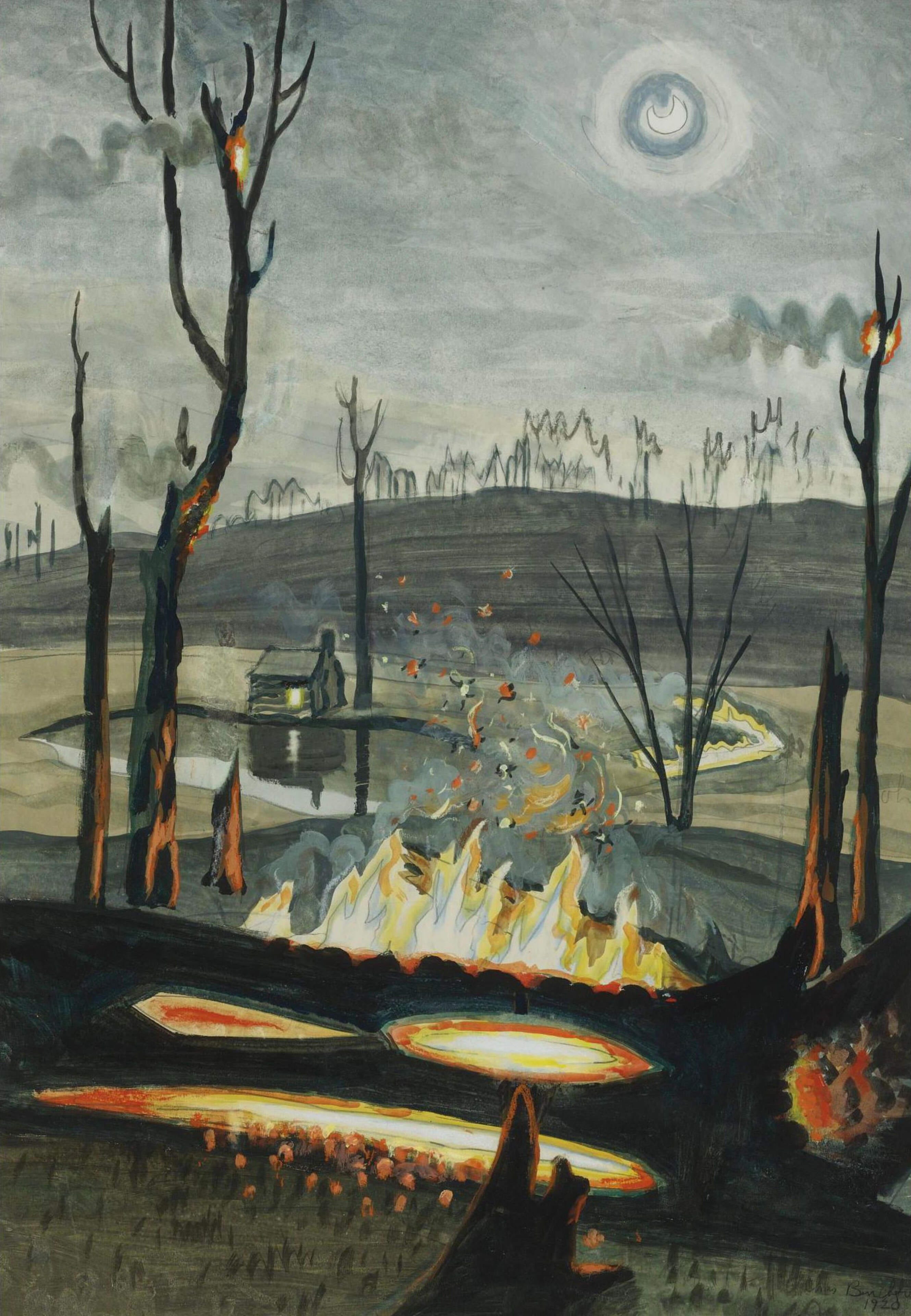
My therapist compared losing a parent to a forest fire. It transforms you. “You can’t not be transformed by this,” she said, waving her arm at the imagined destruction of flame, “so, you just have to let it transform you.” Her words resonated because I could feel myself transforming, my whole perspective and way of being in the world changing. I was becoming more grateful, more present, better able to see the goodness in all sorts of people. I became incredibly angry and cynical about the systems (healthcare, legal, governmental) for how inhuman they are, driven by profit over people. These systems, more than losing my father broke me. They make it hard to live and die with our humanity and dignity. They are needlessly cruel.
But my therapist’s words also resonated because forest fires are this incredible phenomenon that transforms the landscape, and they play an essential part in the cycles of life, death, and rebirth. Indigenous people stewarded the land to greater biodiversity through fire. In a pre-Braiding Sweetgrass deep cut, Robin Wall Kimmer writes in the Journal of Forestry that
The policy of fire suppression in Western society arises from the myth that nature can be controlled. Ironically, trying to control nature through fire suppression has led to greater unpredictability. The indigenous worldview emphasizes the dual nature, creative and destructive, of all forces. Fire can be a force for good as it warms homes and stimulates grasses, but it can also be immensely destructive. The role of humans is not to control nature, but to maintain a balance between these opposing forces.
I was right in it with my grief, just letting that fire cycle tear through me. I did a lot of walking my dog, looking at stars, and crying. On one of those walks, I realized you can’t have grief without great love, and grief is just another form of loving. Little else compares to how grief or love shapes and remakes us. You can’t not be transformed. What an immense privilege it has been to have been loved by my father, to love him, to have been shaped into the person I am by this love. I’m grateful then, for this grief.
So if I’m back to writing to you, the invisible Substack people, I need to start with small: just a poem and a song. I’m pairing the Olzmann poem with a song where love transforms your whole being, sort of the way zombies transform people and also all of society.
This is the song I pulled up as my husband and I were driving down the road toward an empty beach in November to elope. More than a decade later, I’m still learning so so so much about love, still getting to know the person love makes me into. In Unbunny’s song, “Transformer,” love transforms the way Superman, the Incredible Hulk, and a big hairy werewolf can become something wholly different.
And we fit together like oyster and pearl
Or the way that an acorn is loved by a squirrel
Olzmann’s poem and Unbunny’s song, with their respective monsters and heroes, both get that, yes, love changes the entire makeup of our being, but crucially, it saves us from a world that would devour us.
I hope you reading this have some love that remakes you. If I get through the zombie apocalypse alive, it’ll be because I’ve loved and was loved. (Thank you, Dadeo).
Love you, Jaime.